Understanding the real prices of valuable foreign coins requires looking at several important factors.
These factors include the year of production, the mistakes made during the making process, and the number of people wanting to buy them.
The Importance of Age in Coin Valuation
The age of a coin often represents the first thing people notice when holding an old piece of metal from a distant land.
Having a very old date does not always mean a coin costs a lot of money because the total number of coins made during that year matters much more.
Some coins created hundreds of years ago remain cheap due to millions of them still existing in good condition today.
Collectors looking for high prices usually search for coins from specific historical periods with very few surviving examples.
Finding a coin produced in the 1700s might feel like finding a treasure, but experienced buyers check the metal content and the quality of the surface first with the coin identifier app.
Coins made of gold or silver naturally hold more value than coins made of copper or nickel because the metal itself has a high price in the global market.
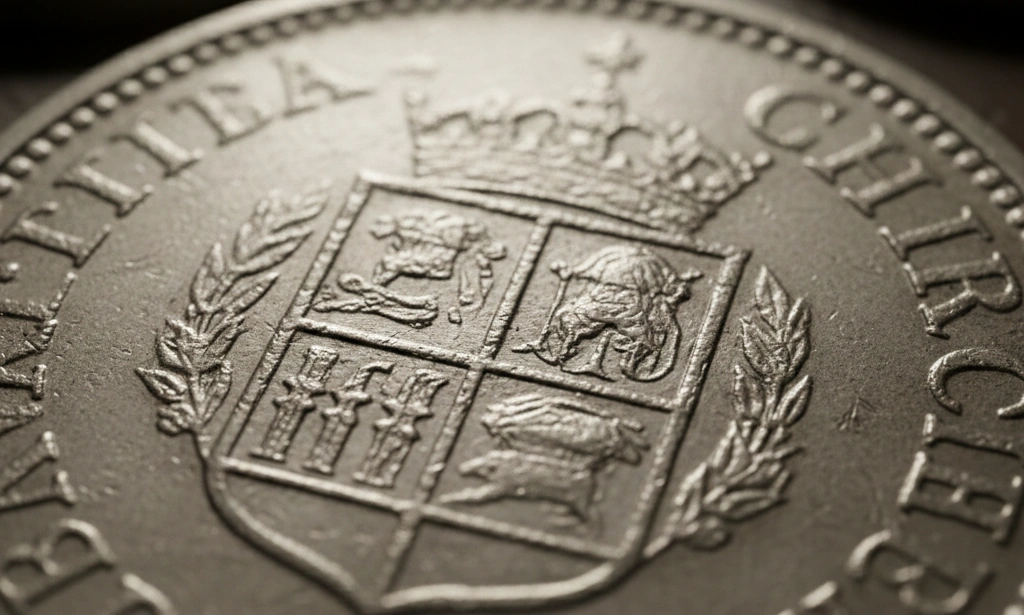
A coin from a country no longer existing on modern maps often attracts more attention from history lovers.
These people spend many hours studying catalogs, and they want to find the exact production numbers for every year.
Production Errors and Their Impact
Errors occurring during the minting process create unique items highly desired by professional collectors around the world.
These mistakes happen when the machines making the coins do not work correctly or when the metal pieces enter the machine at the wrong angle.
A coin showing the same image on both sides or having a blurry design often sells for much more money than a perfect coin.
Common errors found on foreign coins include:
Off-center strikes: The machine hits the metal piece away from the center and leaves part of the coin blank and flat.
Double dies: The design appears twice on the coin surface and creates a shadow effect on letters and numbers.
Wrong metal errors: A coin is struck on a metal piece intended for a different type of currency or a different country.
Clipped planchets: A piece of the round metal is missing before the machine strikes the design, resulting in a moon-shaped gap.
A collector finding a coin with a visible mistake usually keeps it in a plastic holder to prevent any further damage to the surface.
Small errors invisible to the naked eye require special tools and knowledge to identify correctly.
The price of an error coin depends on the size of the mistake and the number of people knowing about that specific error.
Sometimes a very small mistake on a famous coin leads to a price increase of hundreds of dollars.
Market Demand and Popularity
Demand represents the desire of people to buy a specific coin at a certain price during a specific time.
Even a very old and rare coin might stay cheap if no one wants to add it to their personal collection.
Popular countries like the United Kingdom, China, and the United States have many collectors, and these people drive the prices of their rare coins higher.
A coin representing a famous king or a major war often sees higher demand because it tells a story people find easy to understand.
Factors influencing demand include:
Historical Significance: Coins linked to famous events or leaders attract people interested in world history.
Beauty of Design: Items featuring beautiful animals, plants, or buildings are popular even among people not considering themselves serious collectors.
Completeness of Sets: Collectors need one specific coin to finish a group of coins from a certain period, and this makes them willing to pay more.
Economic Trends: People buy gold and silver coins during times of financial trouble to keep their money safe.
Coin Type | Reason for Value | Average Demand Level |
Early British Sovereigns | Gold content and history | Very High |
Chinese Silver Dollars | High number of collectors | Extremely High |
Error Euros | Modern mistakes | Medium |
Ancient Roman Coins | Extreme age | High |
19th Century Colonial Coins | Rare locations | Medium |
Evaluating Condition and Quality
The physical state of a coin, determines a large part of the final price.
A coin looking like it just left the factory with a shiny surface and sharp details always costs more than a scratched or dirty one.
Collectors use a scale from 1 to 70 to describe the quality of a coin, with 70 being a perfect item.
Touching a rare coin with bare fingers might reduce its value because the oils from the skin damage the metal over time.
Cleaning a coin using chemicals or brushes usually destroys its value because it removes the natural surface developed over many years.
Professional buyers prefer coins having a "patina," which is a natural change in color caused by age and air.
A coin showing signs of heavy use in shops and markets tells a story of commerce, but it usually stays in the lower price range.
High-value items typically spend their whole lives in bags or boxes and, they are never used to buy bread or milk.
Where to Find Valuable Coins
Finding valuable foreign coins often starts at home in old jars or boxes kept by grandparents.
Many people travel to foreign countries and bring back small amounts of local money.
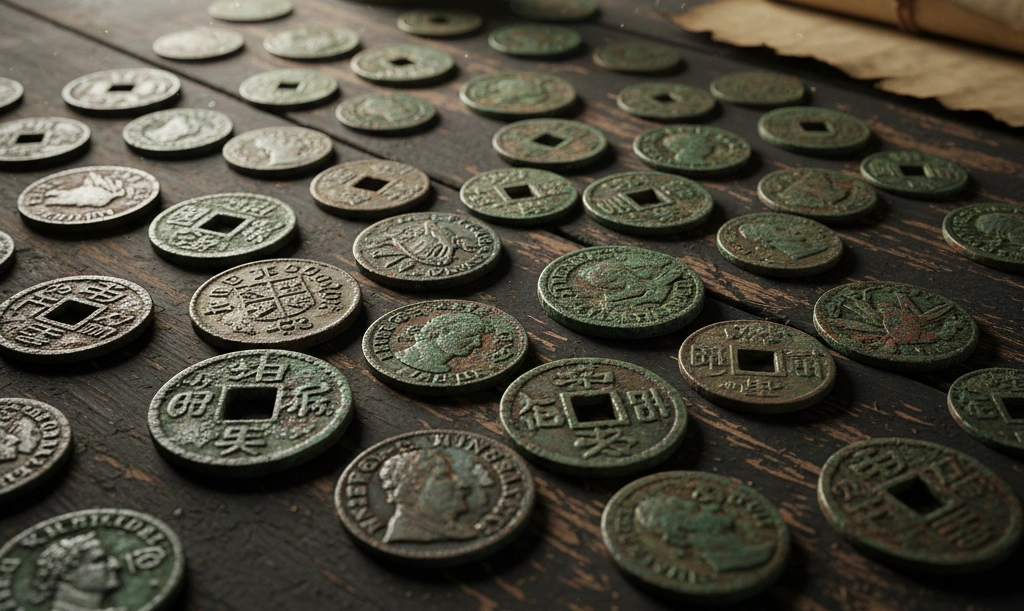
They eventually forget about these coins for decades.
Local coin shops and antique markets also provide opportunities to find hidden treasures among many common items.
Online auctions allow collectors to see coins from every country and, this makes it easier to compare prices and find rare errors.
When looking at coins in a shop, asking the seller about the history of the piece helps in understanding why it has a certain price.
Some collectors enjoy going to banks in different countries to look through rolls of new coins.
They hope to find a modern error.
Joining a coin club provides a way to meet experts willing to share their knowledge about rare foreign currency.
The Role of Certification Services
Professional grading companies and some services like the coin value checker app provide a service where experts look at a coin and decide its grade and authenticity.
Sending a coin to these companies costs money, but it makes the coin much easier to sell later.
The experts put the coin in a hard plastic case with a label showing all the important information.
Buyers feel more comfortable paying high prices for "slabbed" coins because they know a professional verified the item.
Certification is especially important for very expensive coins like gold pieces or famous errors.
These labels include the name of the country, the year of production, and the official grade.
A coin having a professional grade usually sells faster in online auctions compared to coins sold in simple envelopes.
The plastic case also prevents any further damage and, it keeps the coin in the same condition for decades.